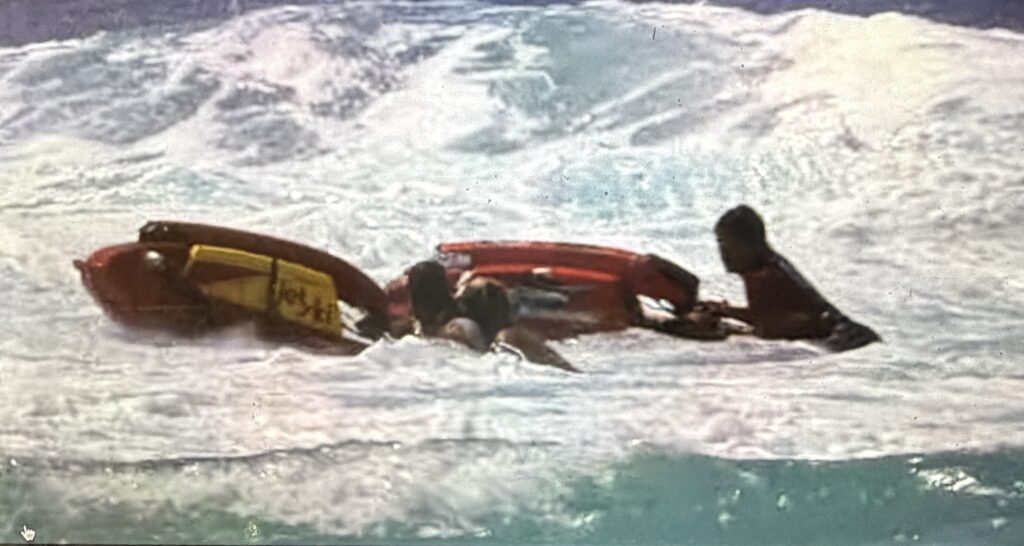
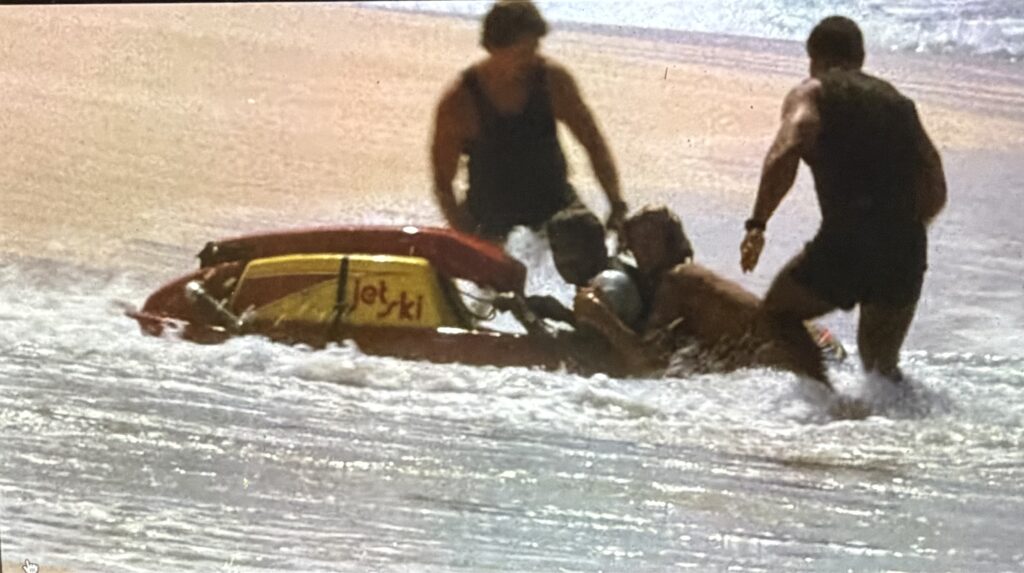
Creator Daniel Elias was watching the surf film North Shore, directed by William Phelps, when a single scene changed everything. Set against the powerful waves of Banzai Pipeline on North Shore of Oahu, the film showed Hawaiian watermen racing into the dangerous impact zone on personal watercraft (PWC) to rescue fallen surfers. But something stood out—rescued surfers had nothing secure to hold onto. They clung to the operator, exposed to instability and even injury from the jet propulsion system. Elias immediately saw the flaw—and the opportunity.
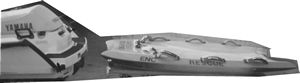
By the winter of 1991, that vision met opportunity. In Encinitas, local lifeguards had improvised a crude rescue platform by cutting a Morey-Doyle soft surfboard in half and strapping it to a PWC—originally to retrieve hazardous lobster traps from the surf zone. Seeing their need, Elias stepped in with a promise: he could build something far better—something purpose-built for both recovery and rescue. With materials funded by the City of Encinitas and Elias contributing design, engineering, and labor, the first Extractor Rescue Sled was born.
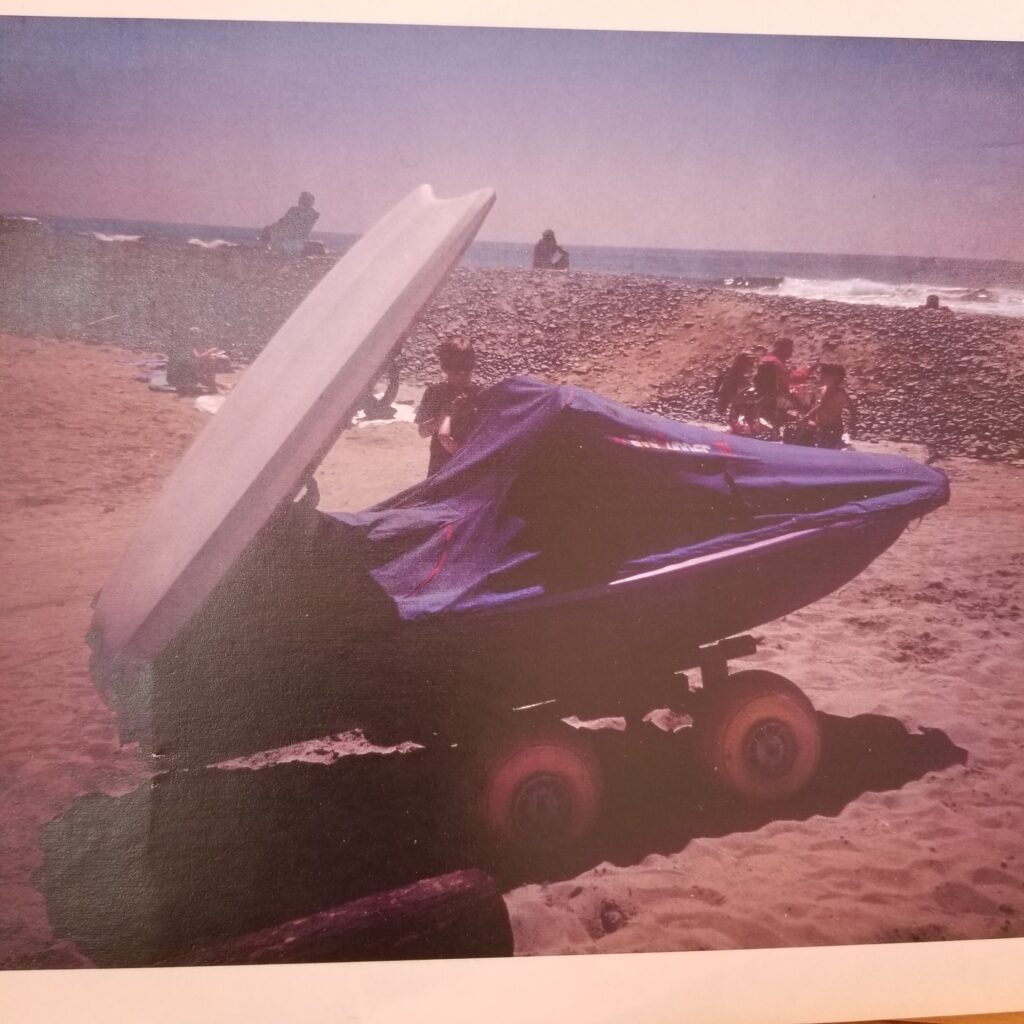

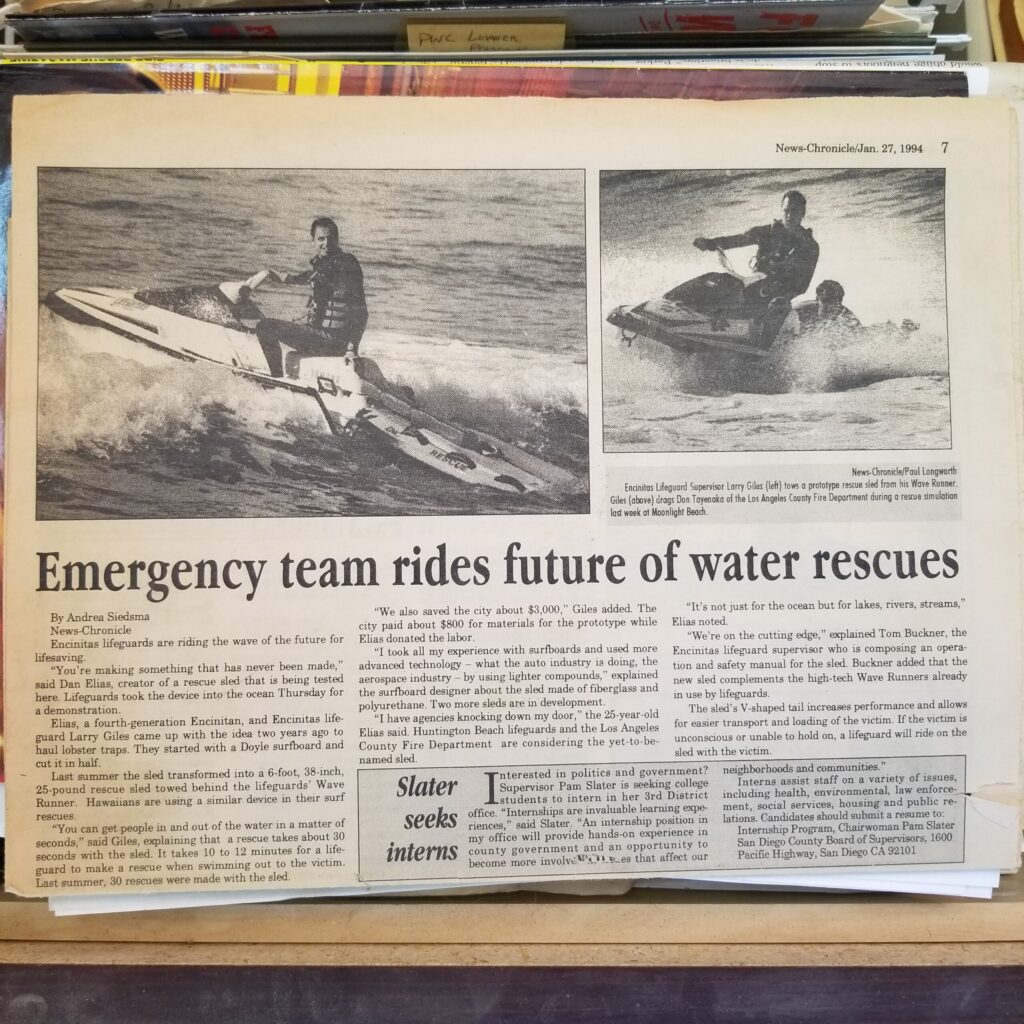

A lot of trial and error went into design, durability and functionality over the next several years. We discovered early on that the ocean and the forces placed on the sled, its connection points, aren't kind. Several iterations on hull design use of different composite materials, foam core materials, deck padding, handles, connection systems were tried and tested to see what worked best and provided the most reliability. We knew bodyboard materials and construction were not the answer, simply for the fact that foam skins delaminate from water pressure and bodyboard manufacturers jumped into the market and took over early on. Extractor wanted to do something different. A monolithic hull that functioned well behind the pwc, that did not delaminate from water pressure, a solid connection system that limited movement to two degrees, of freedom, was durable, yet provided comfort for the rider was essential. We filed for US Utility Patent and was awarded the patent 5,354,222.
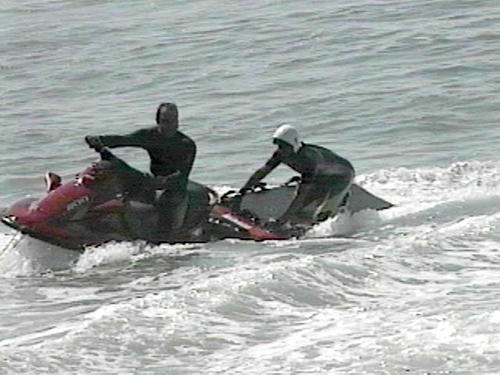
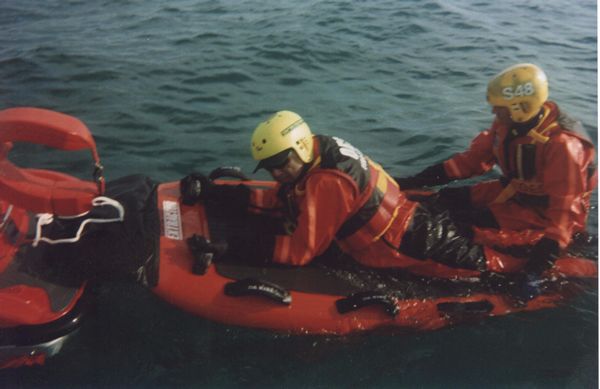

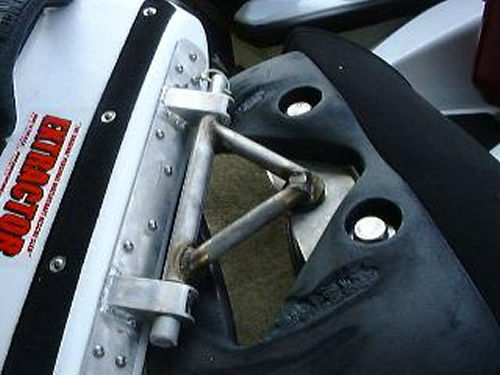
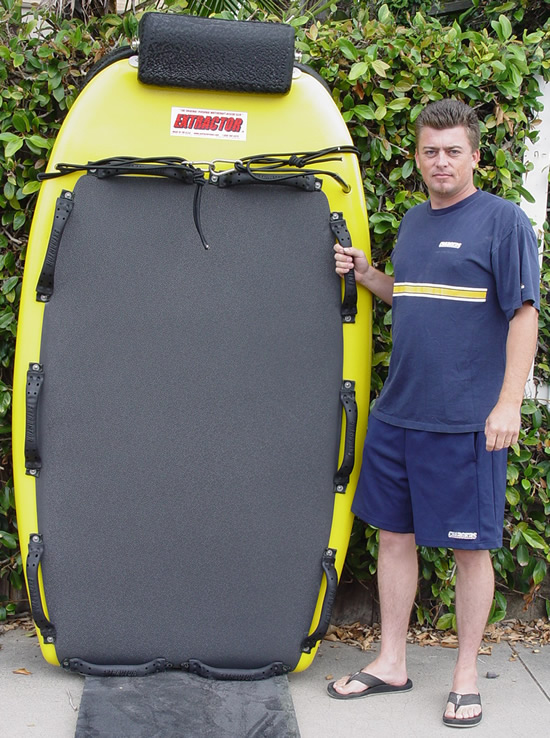
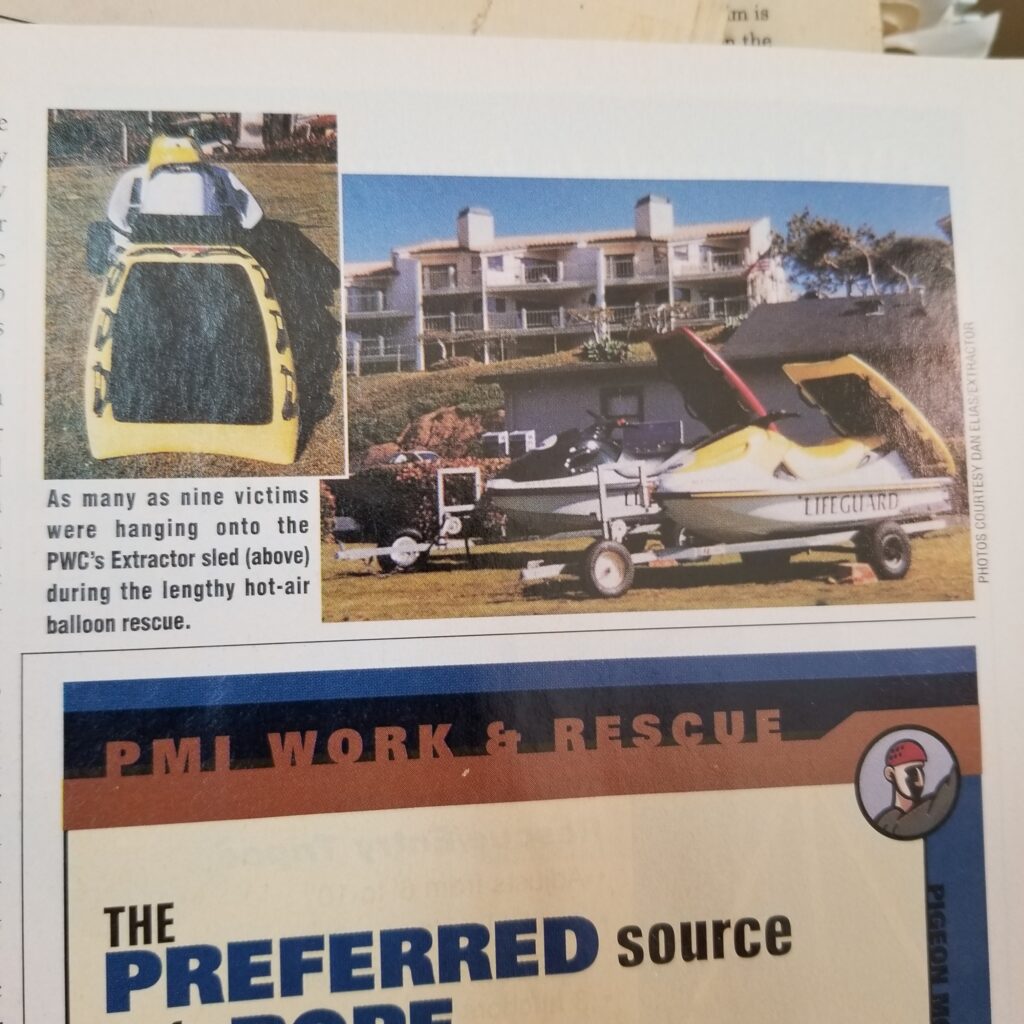
These years were dedicated to refining the hull, improve construction for durability, use of better materials, and performance behind the PWC, featuring connection systems that improve stability, function and the challenges met through the ever changing hull designs made by PWC manufacturers
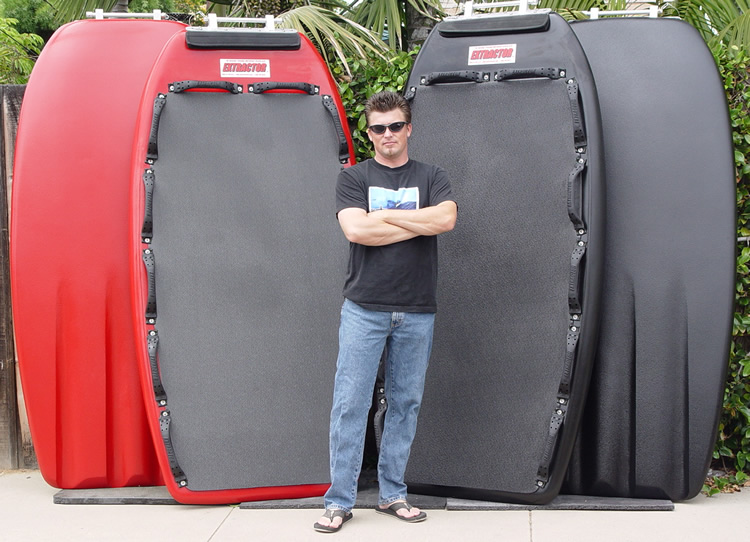
By the late 1990s, different sled sizes became available, based on needs and application. The Junior model (which became the Pro model), was used primarily for surf rescue. But, as the PWC/sled application became used for other activities such as: diving, launch pads for kite boarding, open water pararescue missions for military, larger sleds became in-demand. The Senior model (which became the Mega Model), went into production.

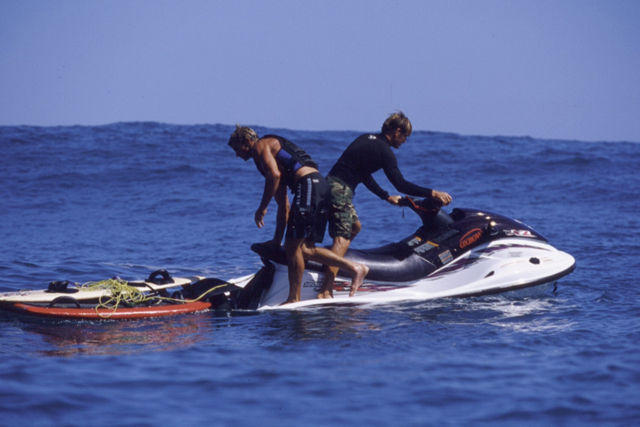
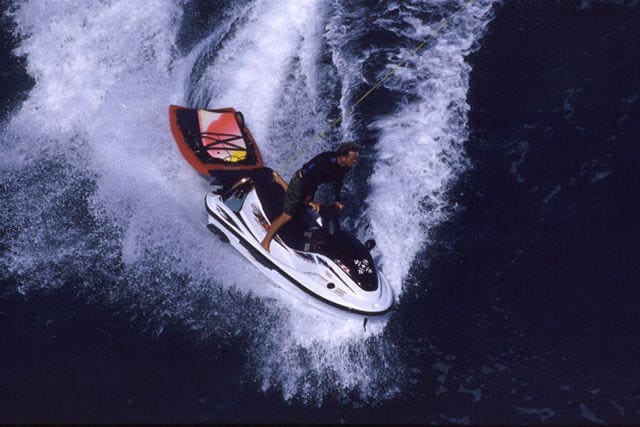
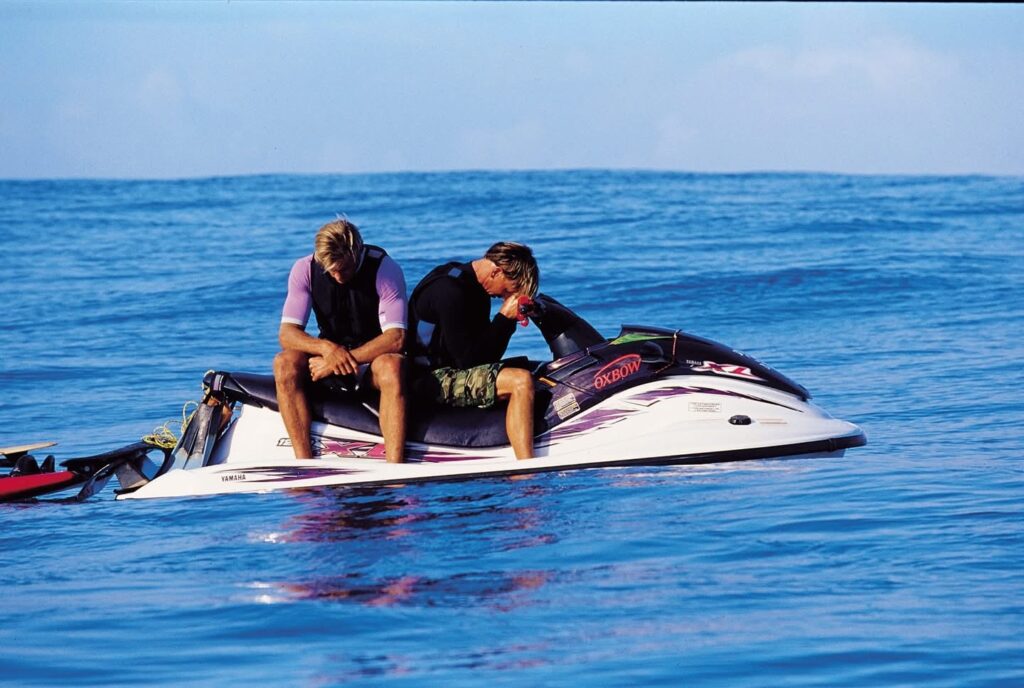

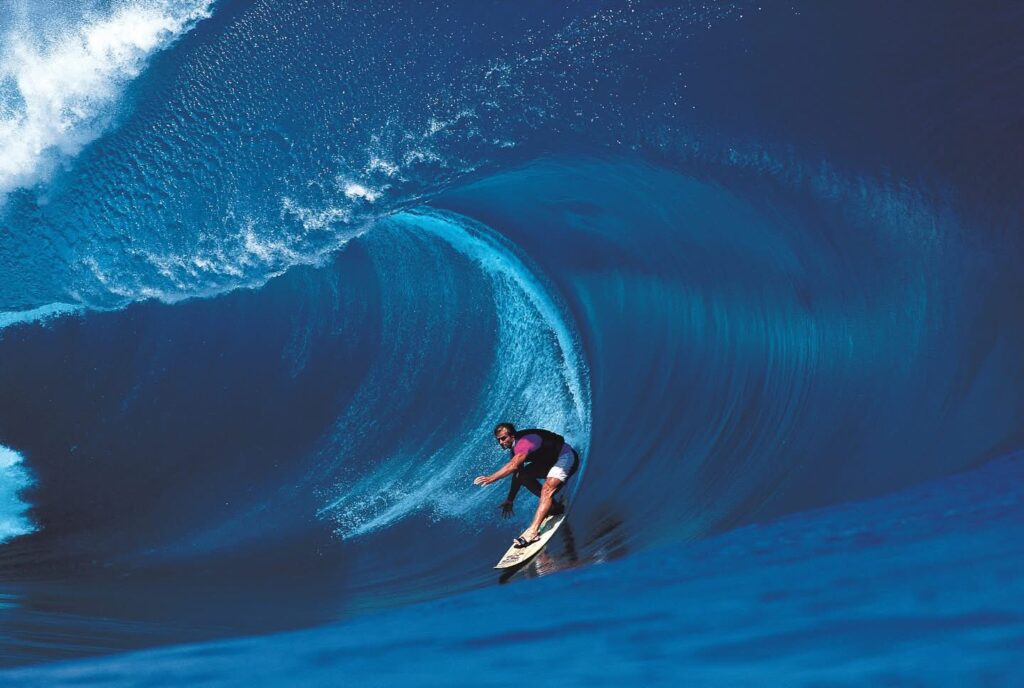

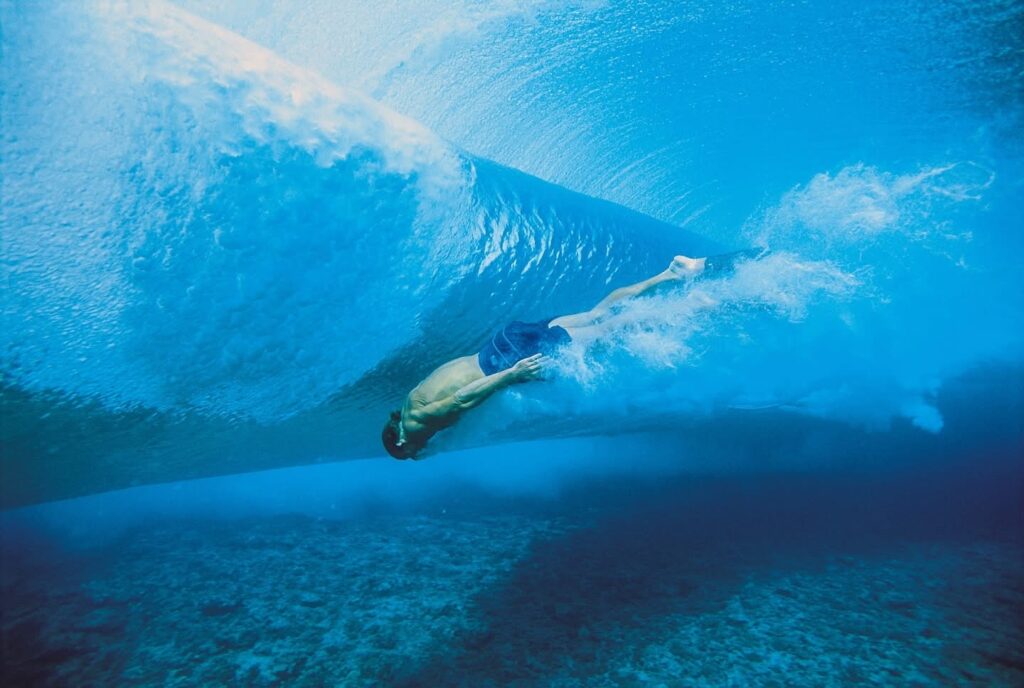

The new millennium started off with opportunity and gratitude. I made some custom sleds for Laird Hamilton and Strapped Crew used during the quest to ride the heaviest wave in the world...Teahupo'o Tahiti, followed by the next few years at Pea'hi (JAWS), Maui, and during the filming of the James Bond Movie- Die Another Day.
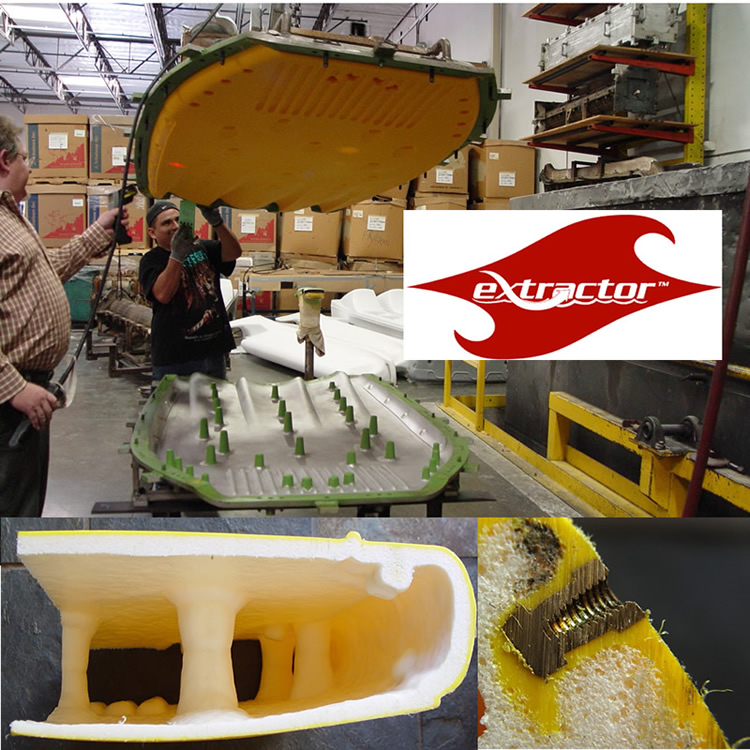
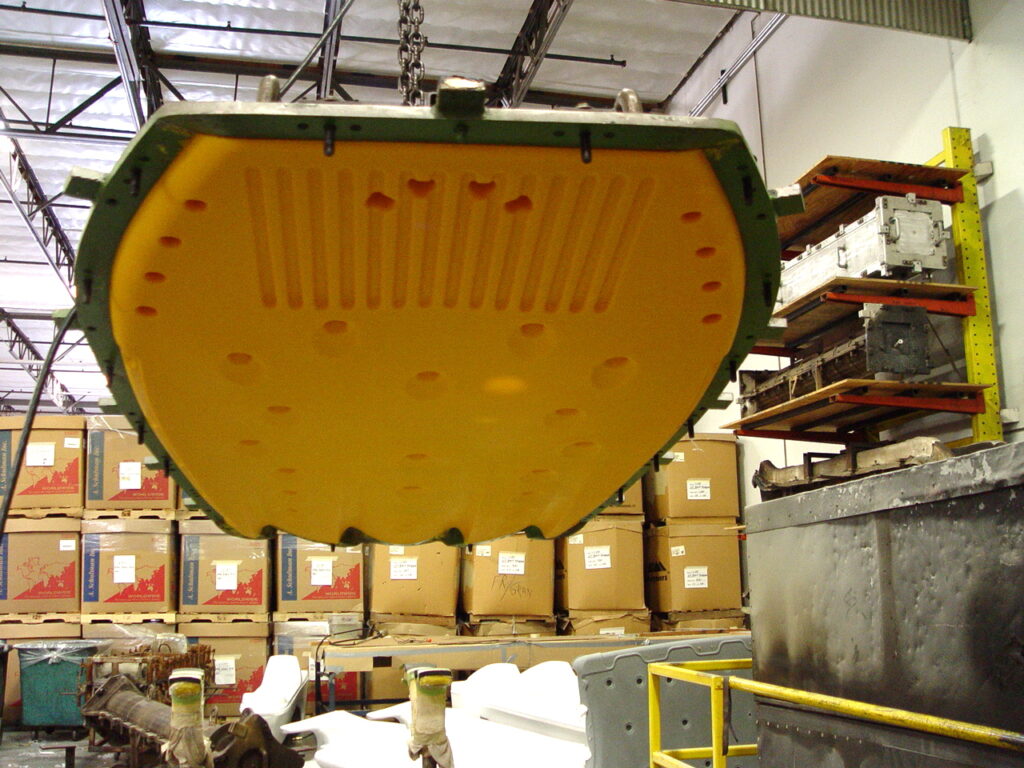
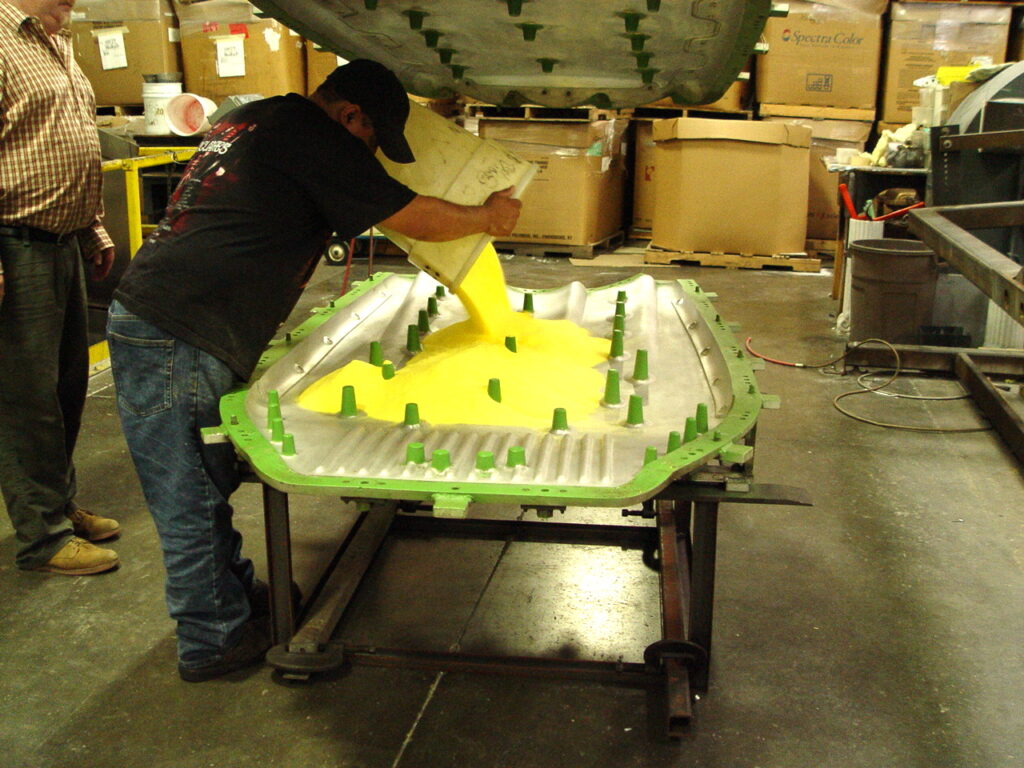
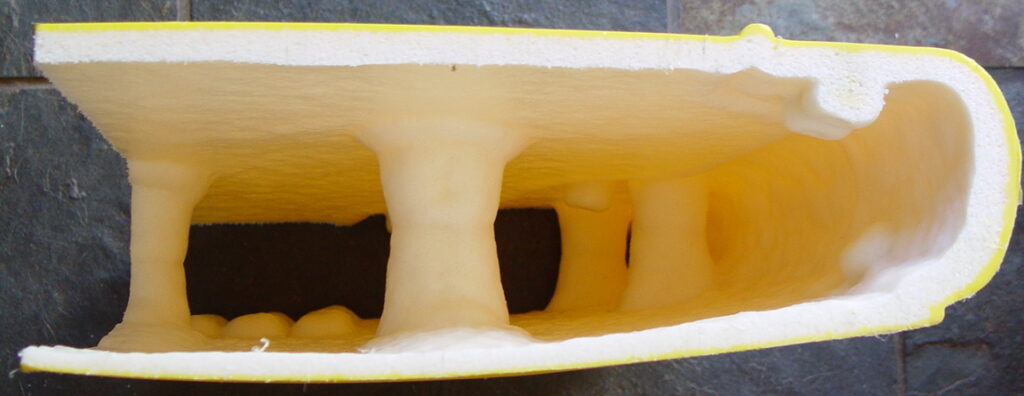
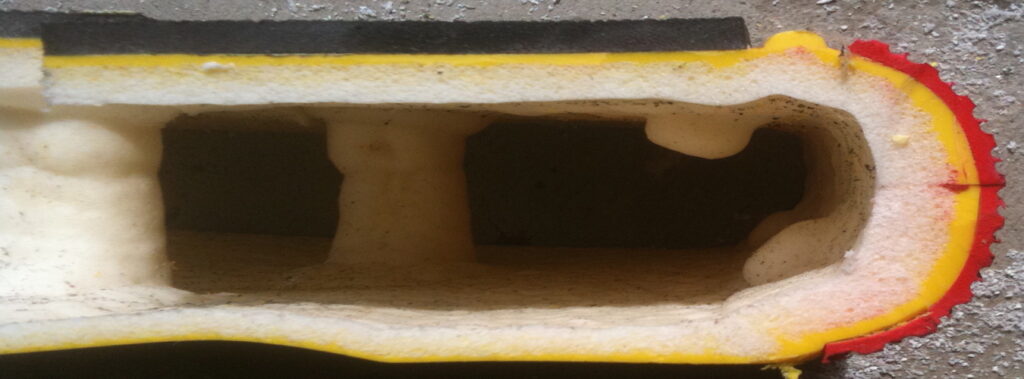
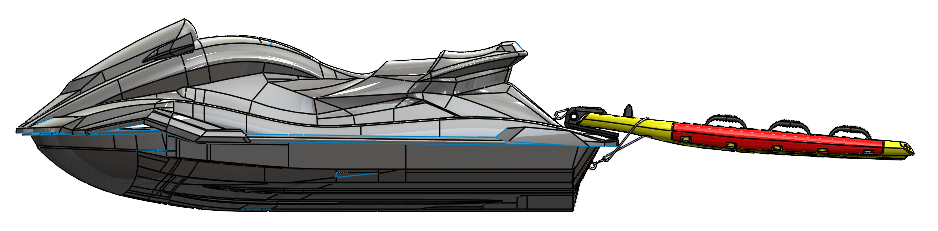
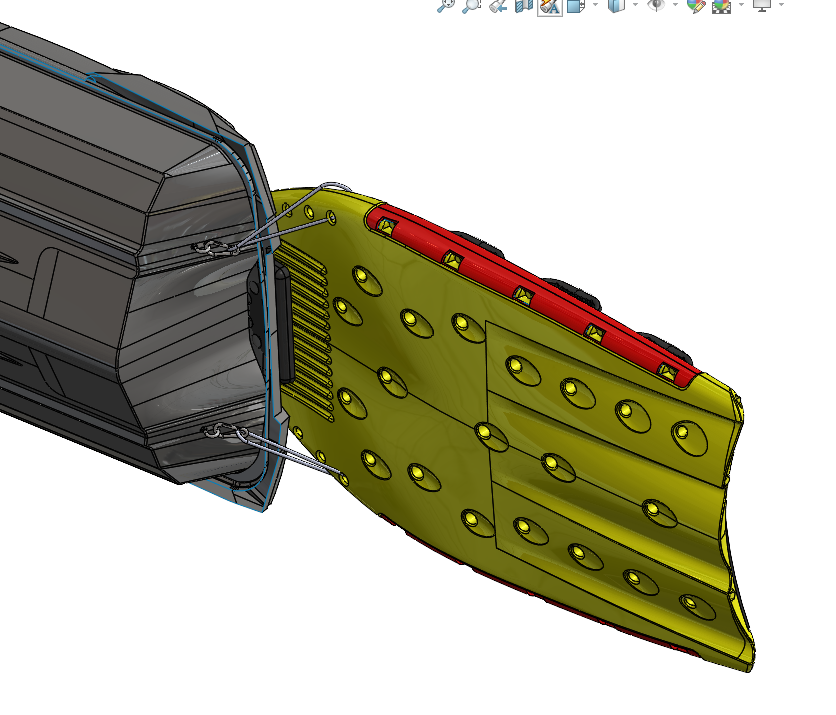
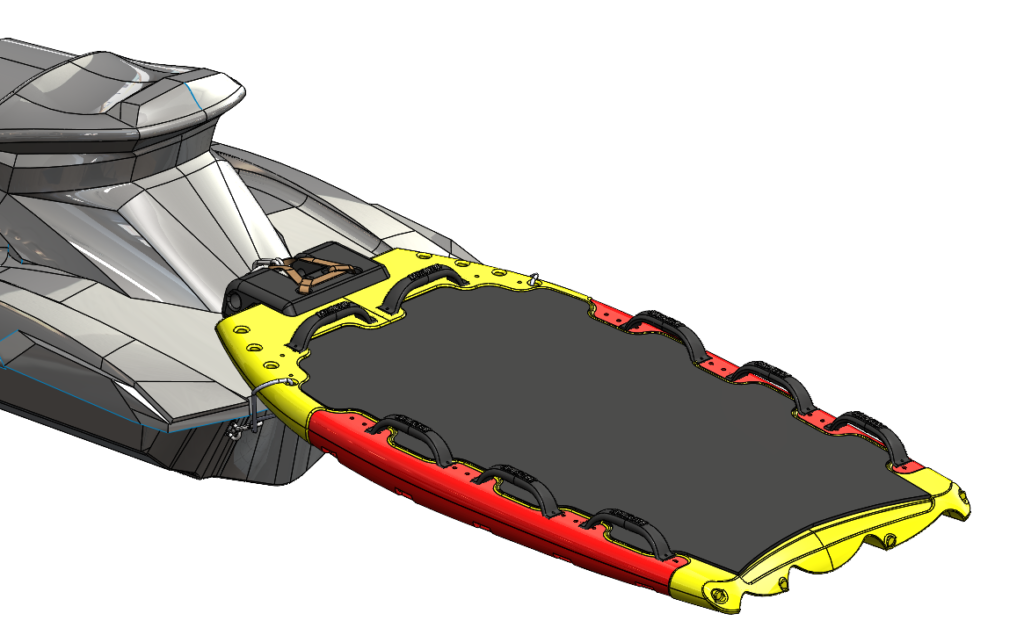

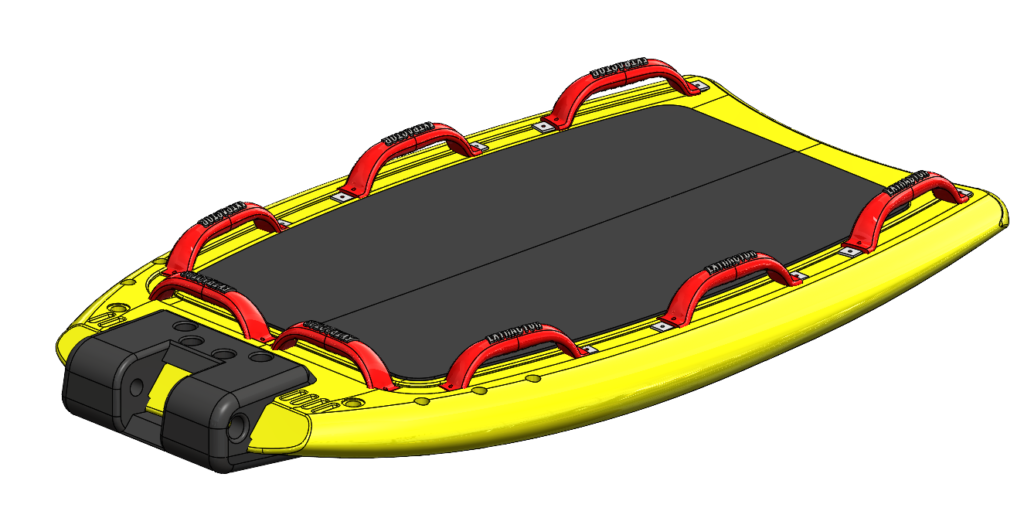

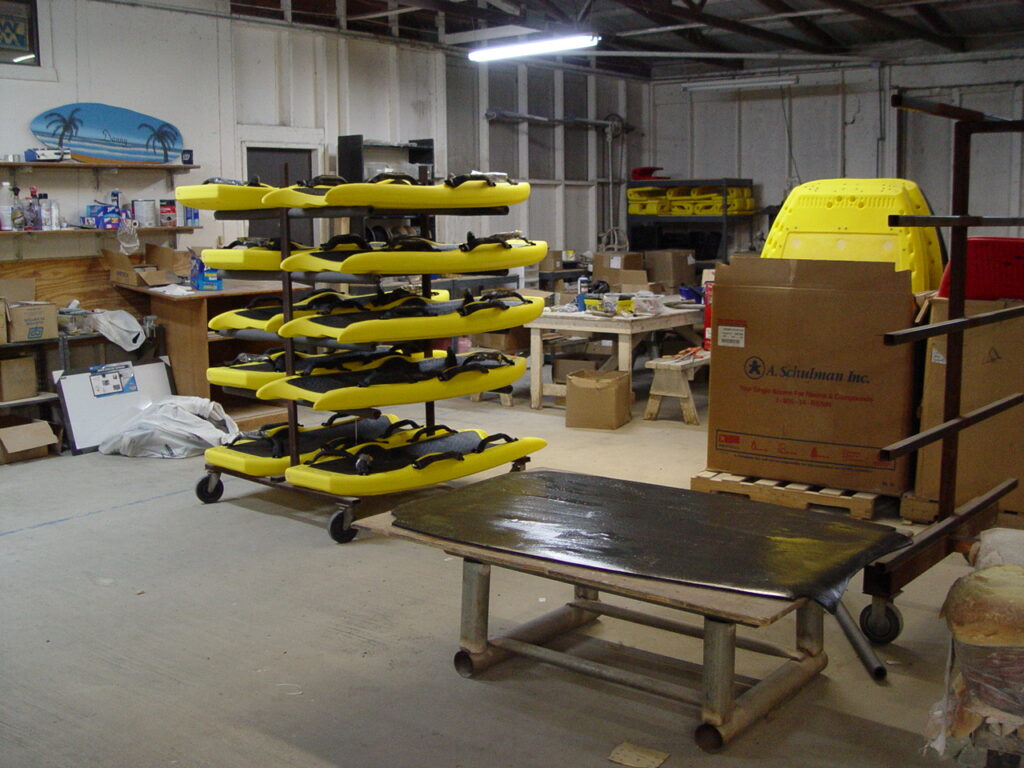
Once the design was dialed and demand was there, it was time to tool up and make them rotomolded out of polyethylene. This provided the best option for durability, cost effective for manufacturing , and meet customer demands.
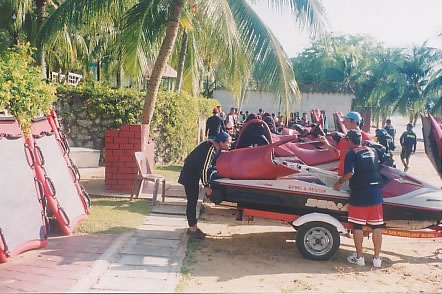
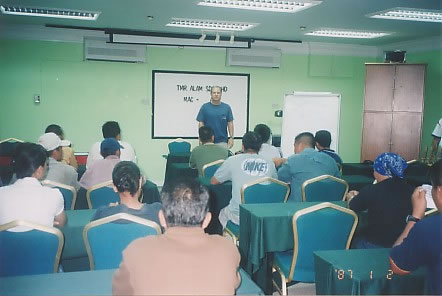
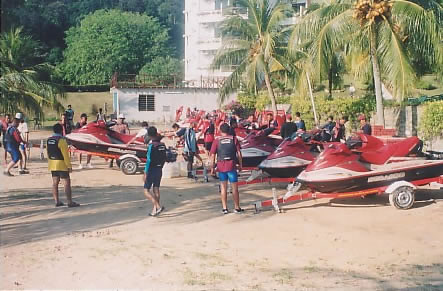
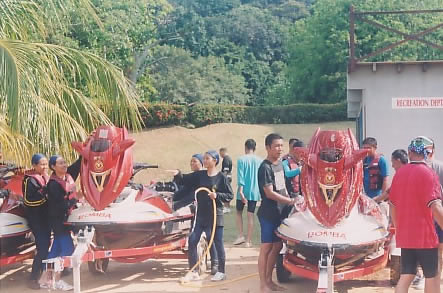
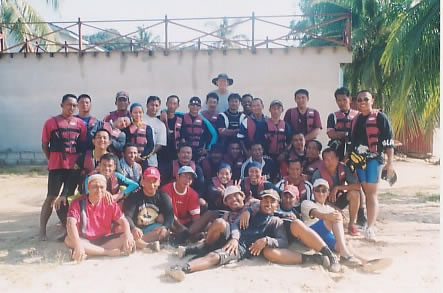


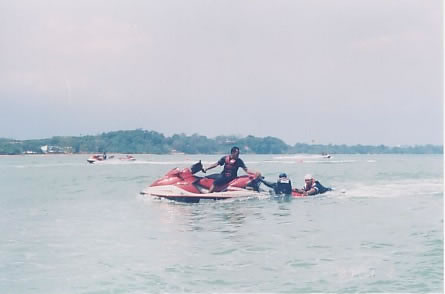


- 80 rescue sleds
- 80 Sea Doo GTX
- training for 200 personnel in Malaysia, California and Oregon coasts.
- Extractor delivered Just in Time, tooling, production and delivery.
- Training provided by former Encinitas lifeguard captain Tom Buckner and co-author of the San Diego Lifeguard Academy RWC Training manual, adopted by USLA.


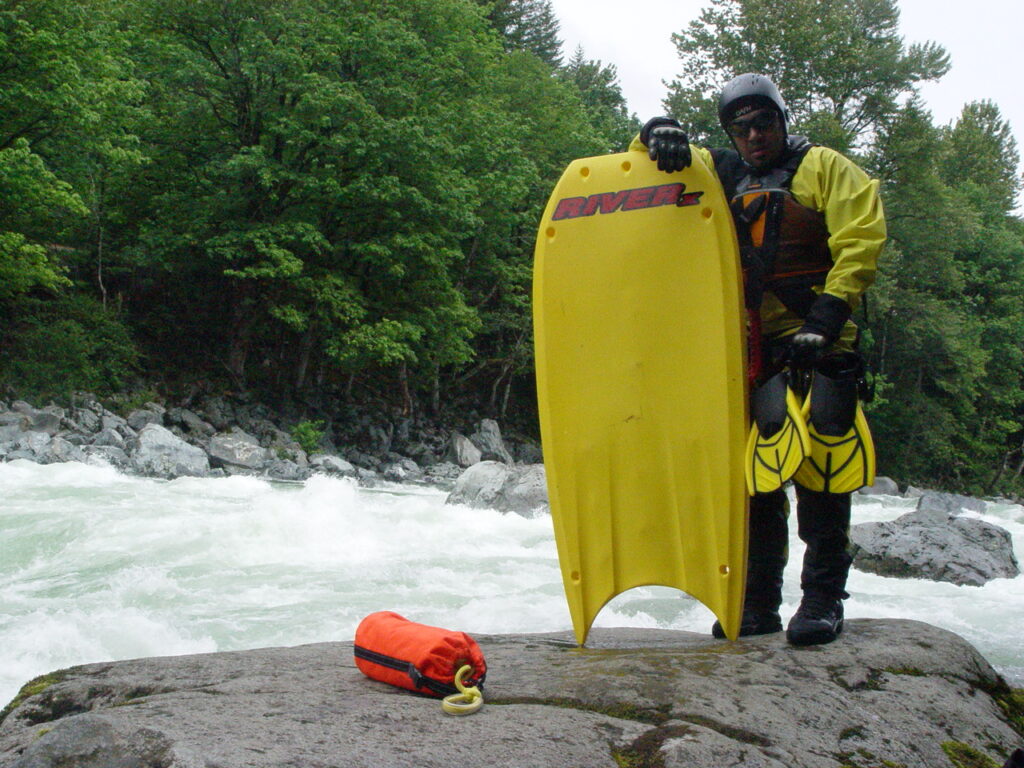
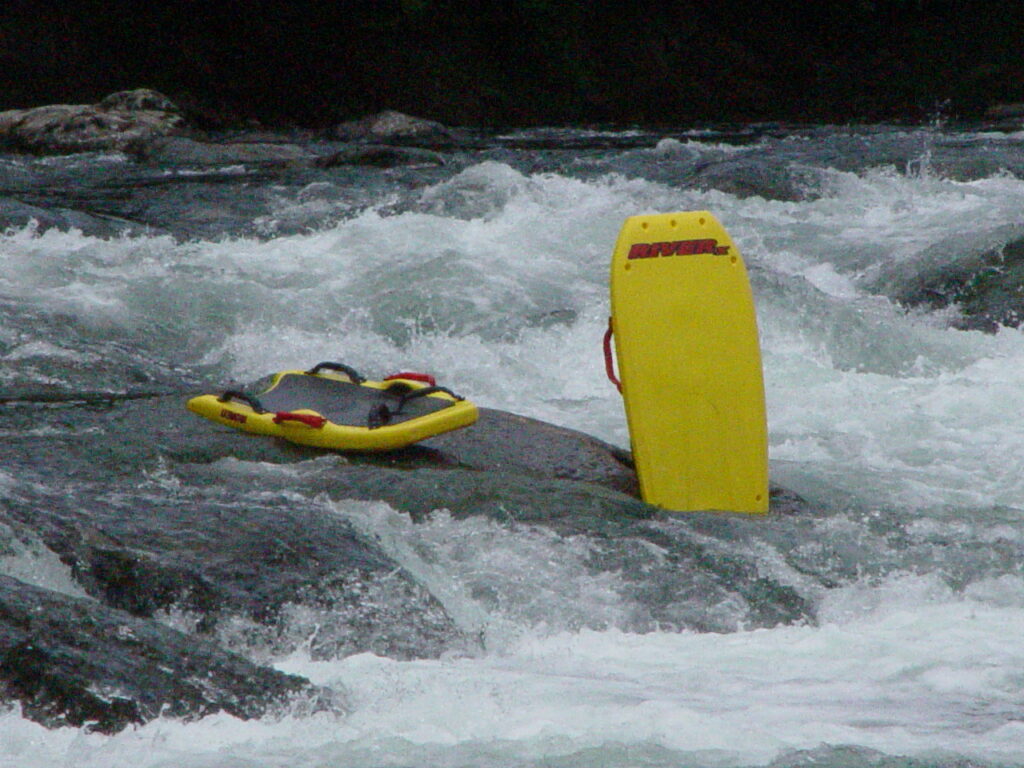
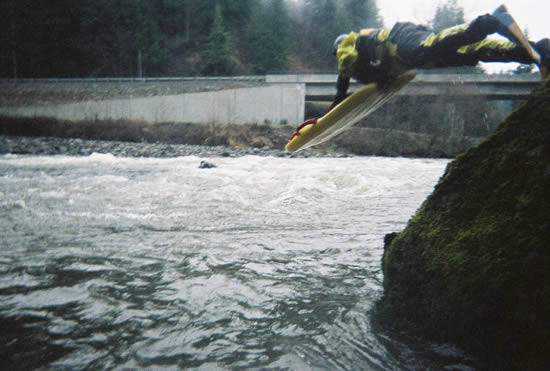
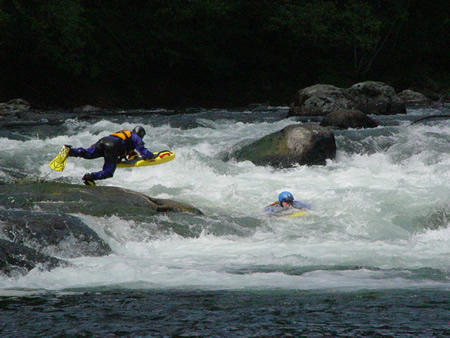
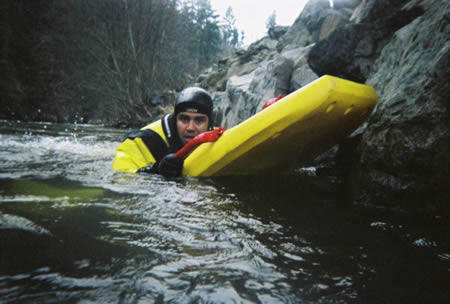
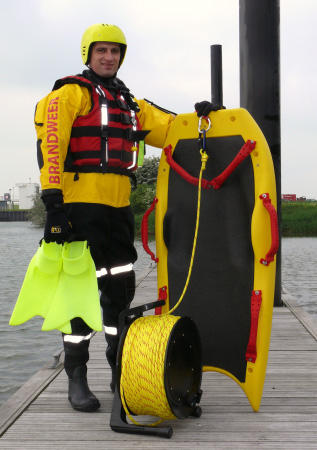
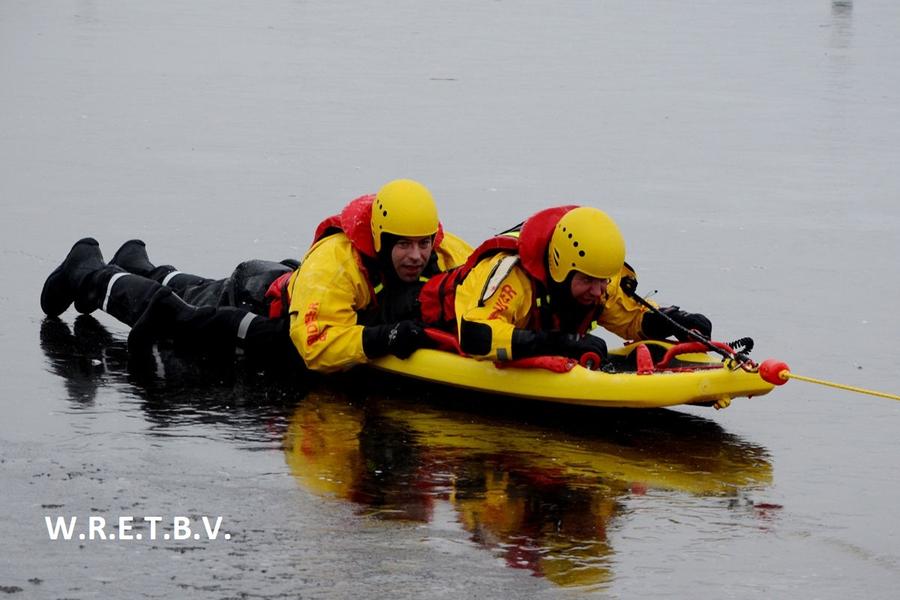
Sleds aren't just for PWCs! Extractor expanded its product line for swift water and ice rescues, with the focus of making a board simple to use and durable to last over existing boards that did not offer as much protection from rocks, logs and underwater projections, and did not last long due to materials that could tear easily.
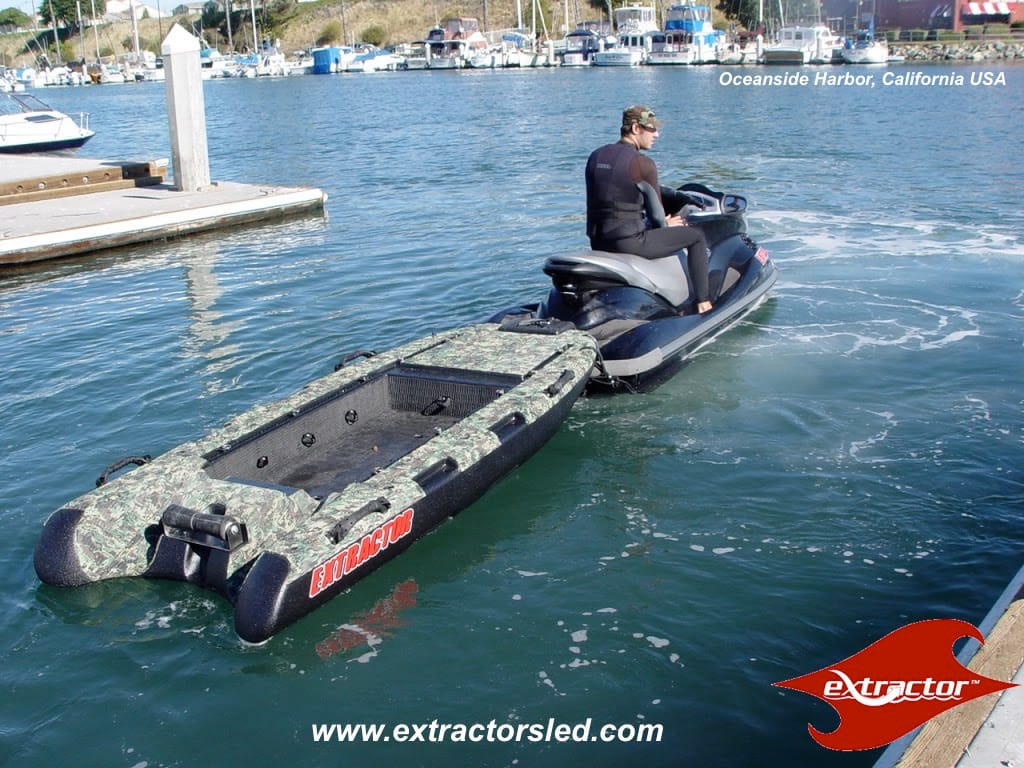
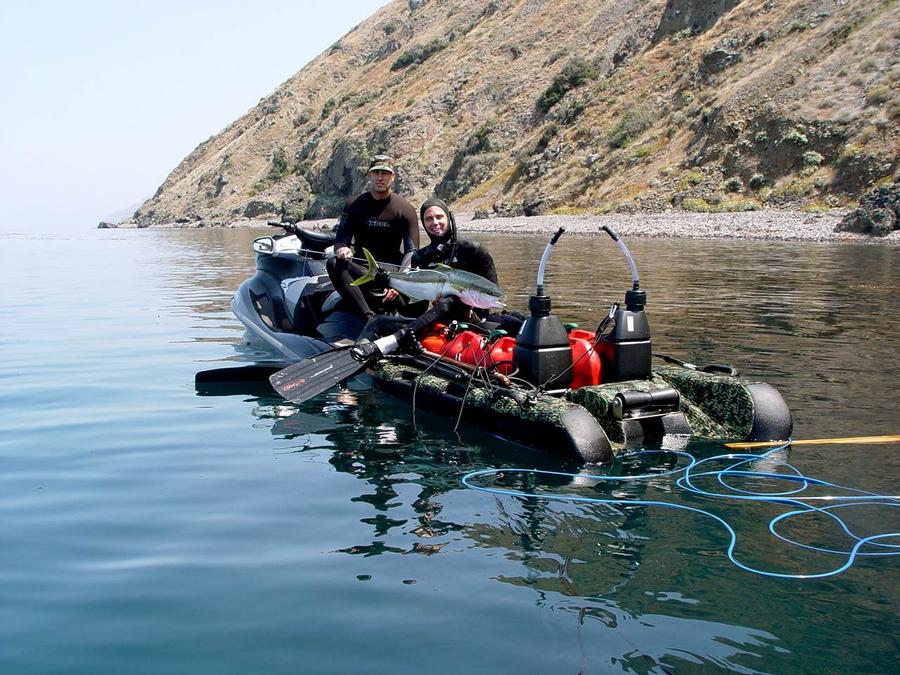
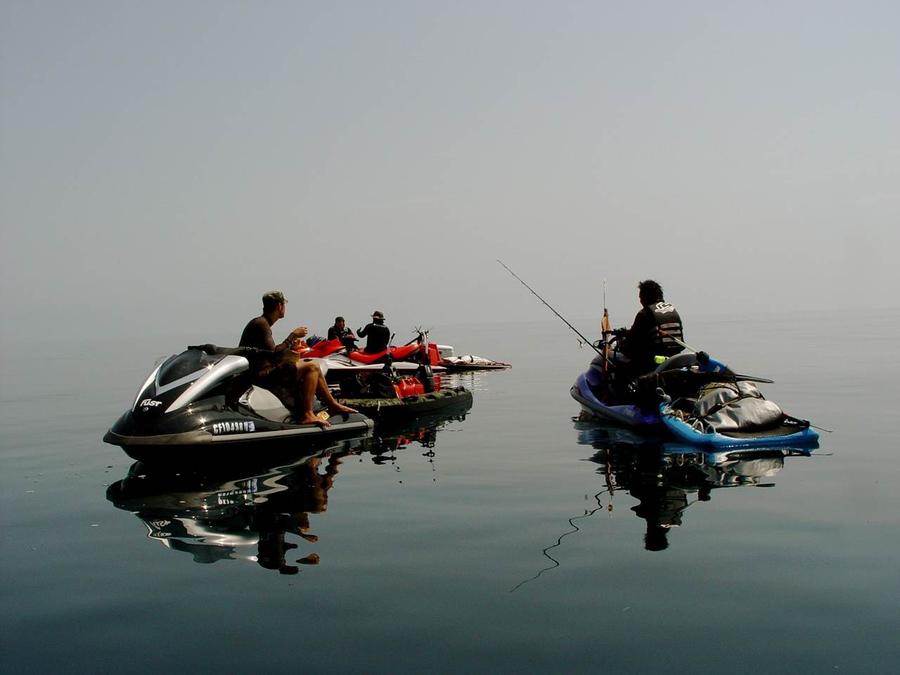
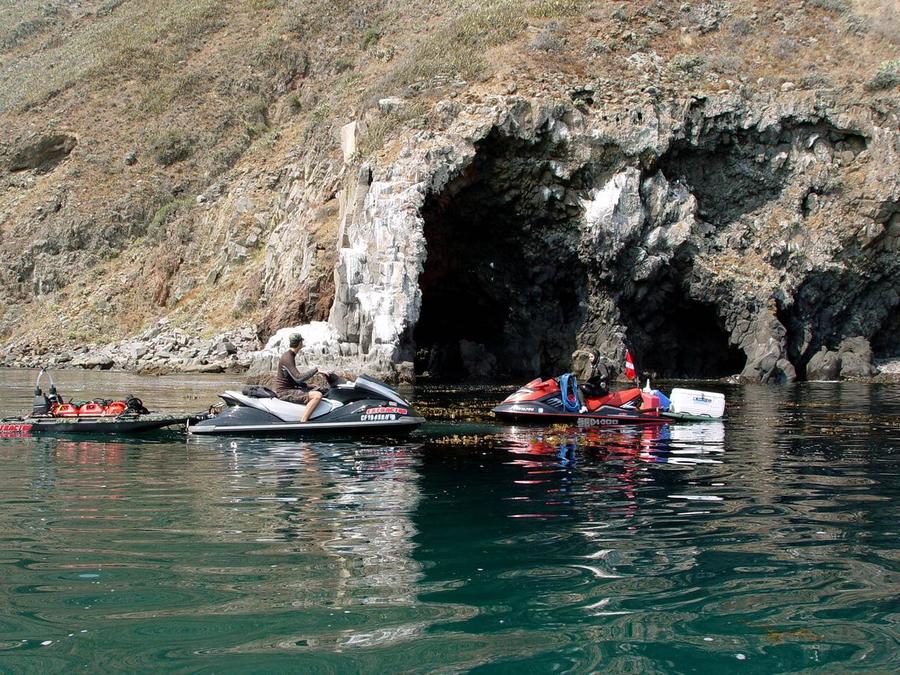

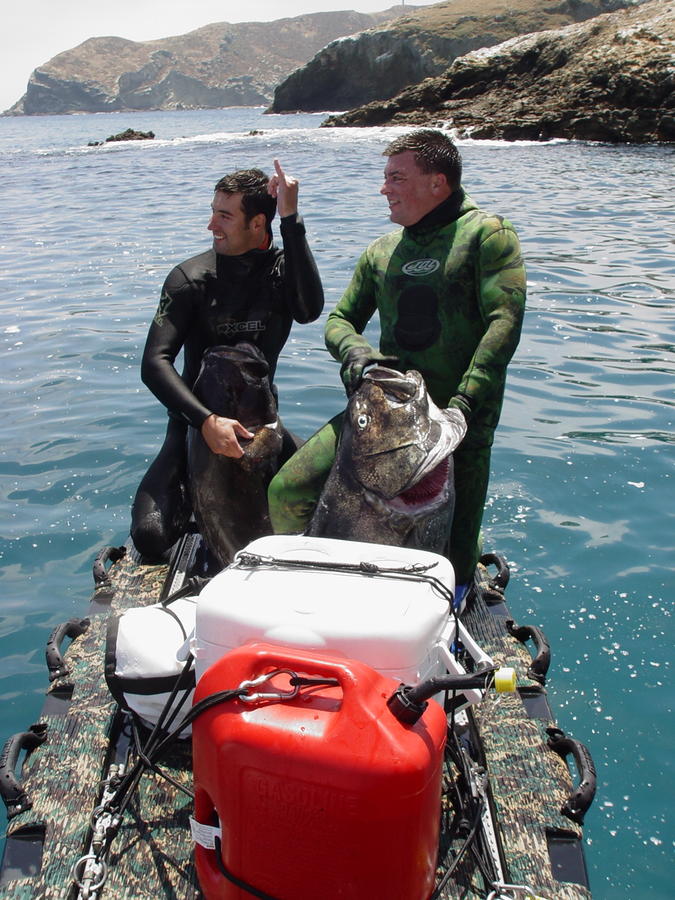
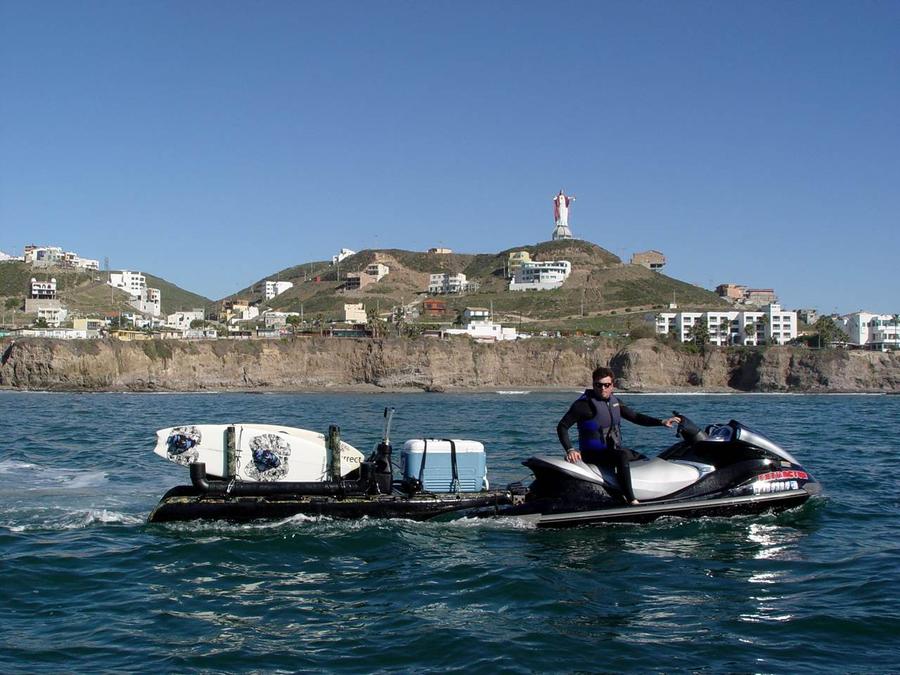
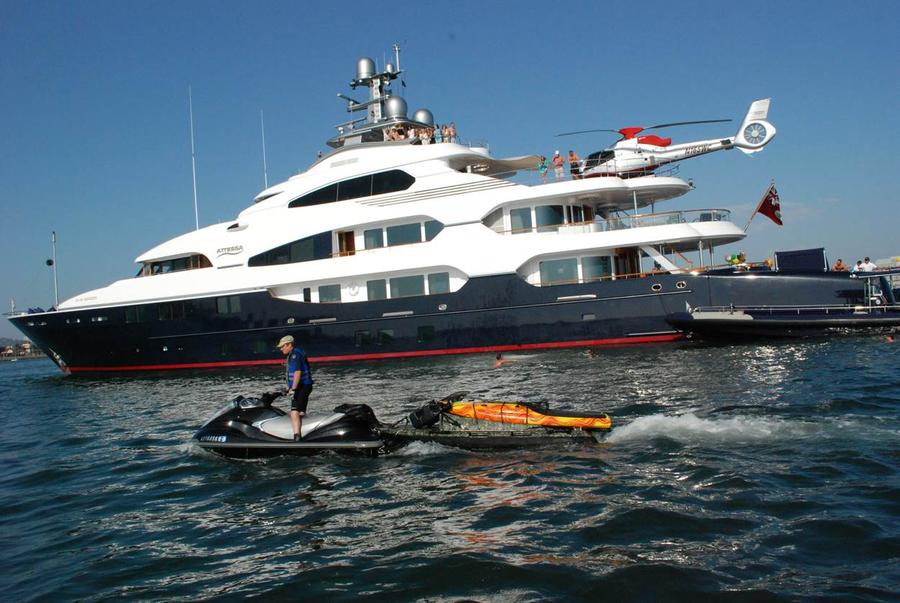
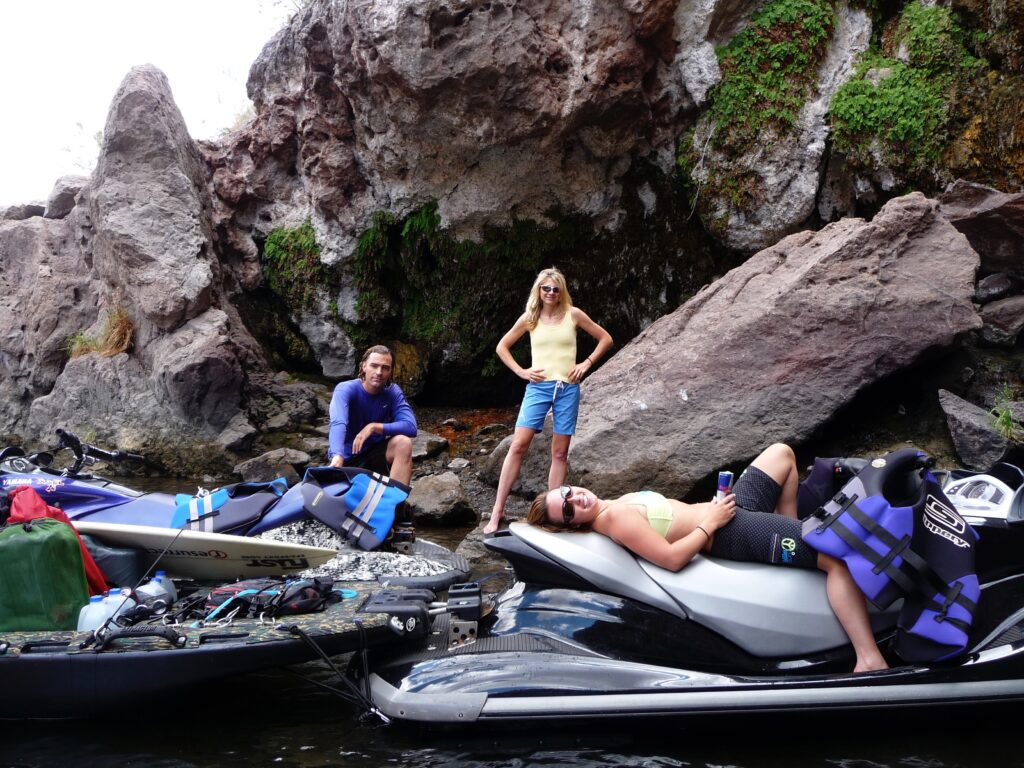
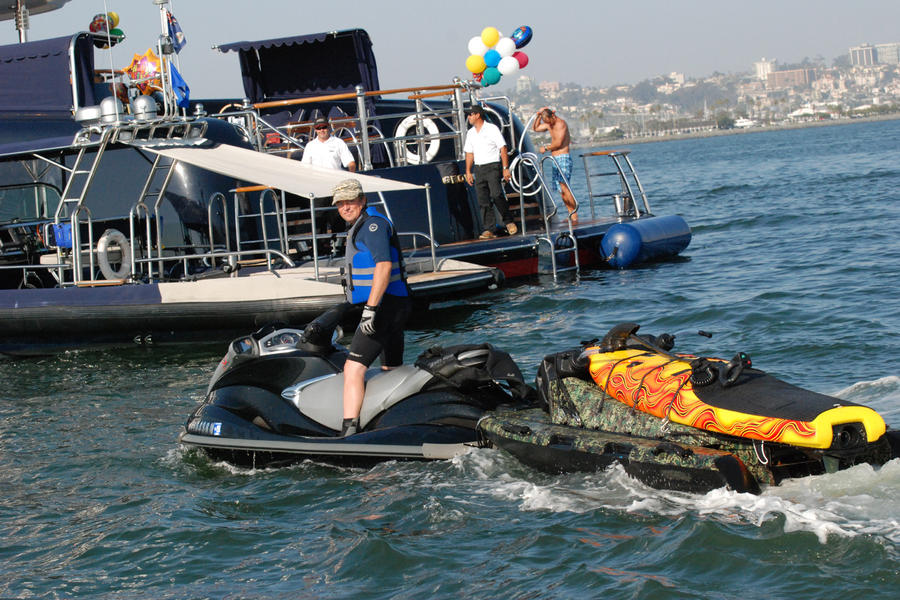
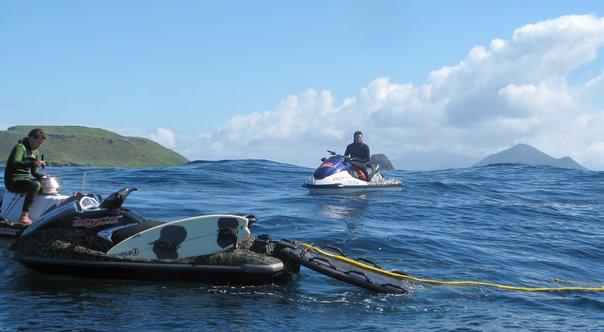
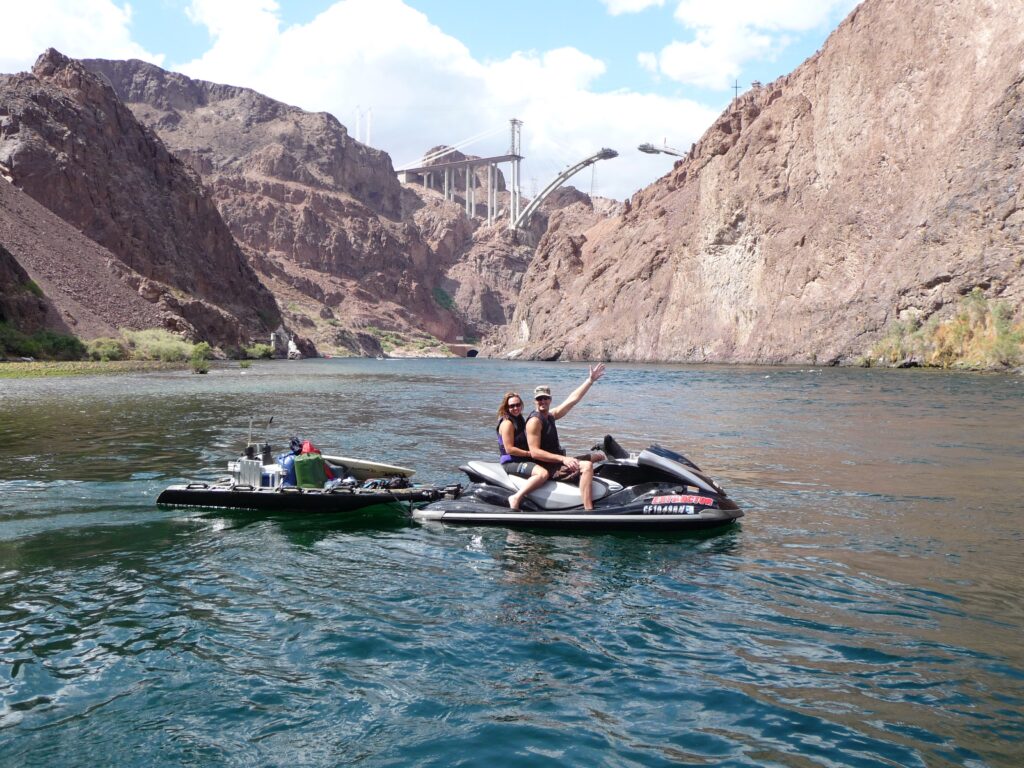
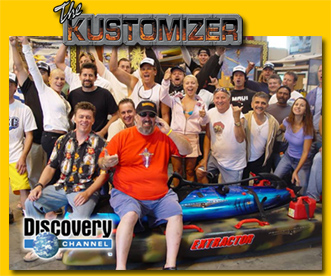
- 100 mile trips offshore
- enough fuel for 4 skis
- room for dive gear and fish
- ability to haul other equipment
This was the Conquest, which became the Extractor PWC Utility Sled, a custom-made sled for custom applications.
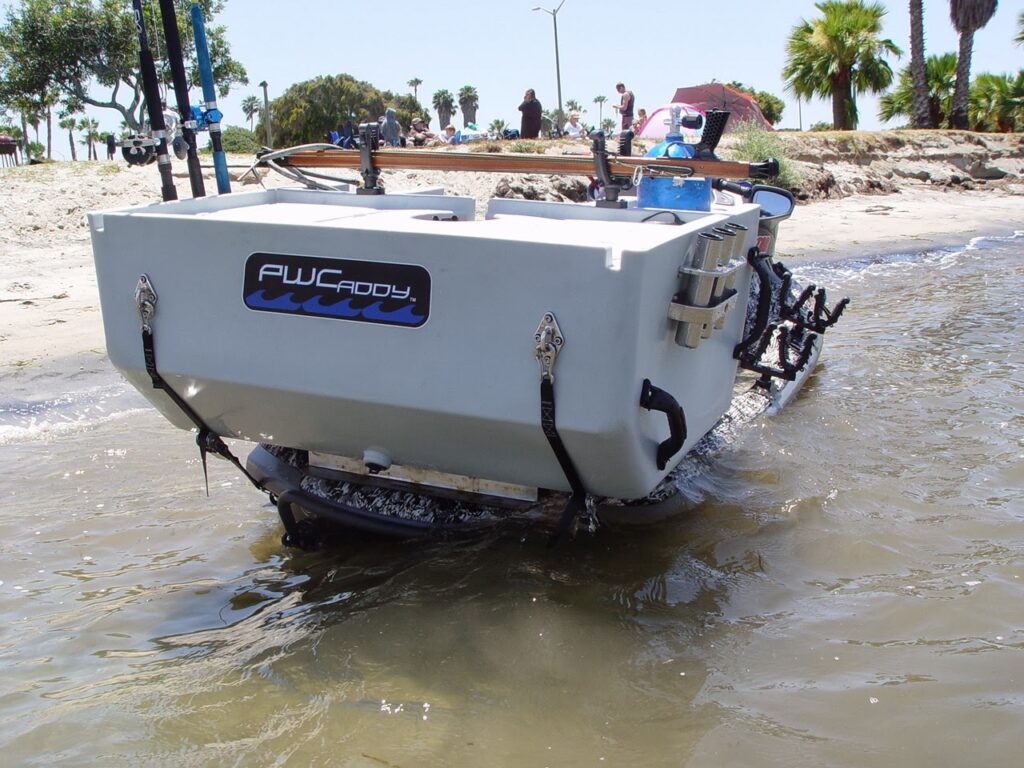
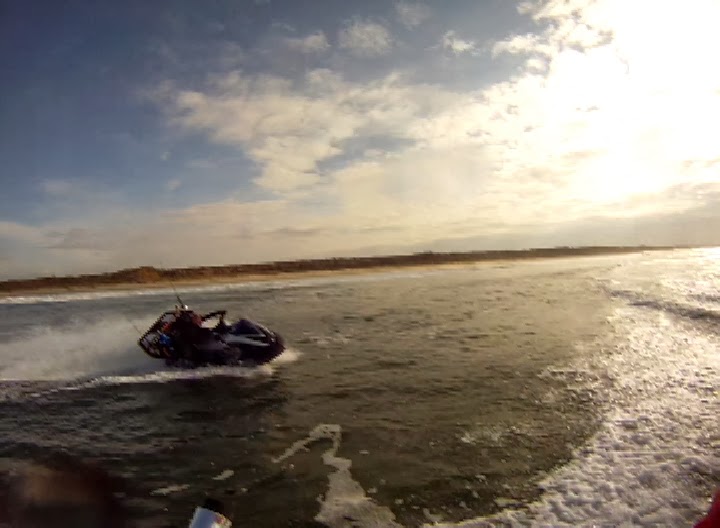
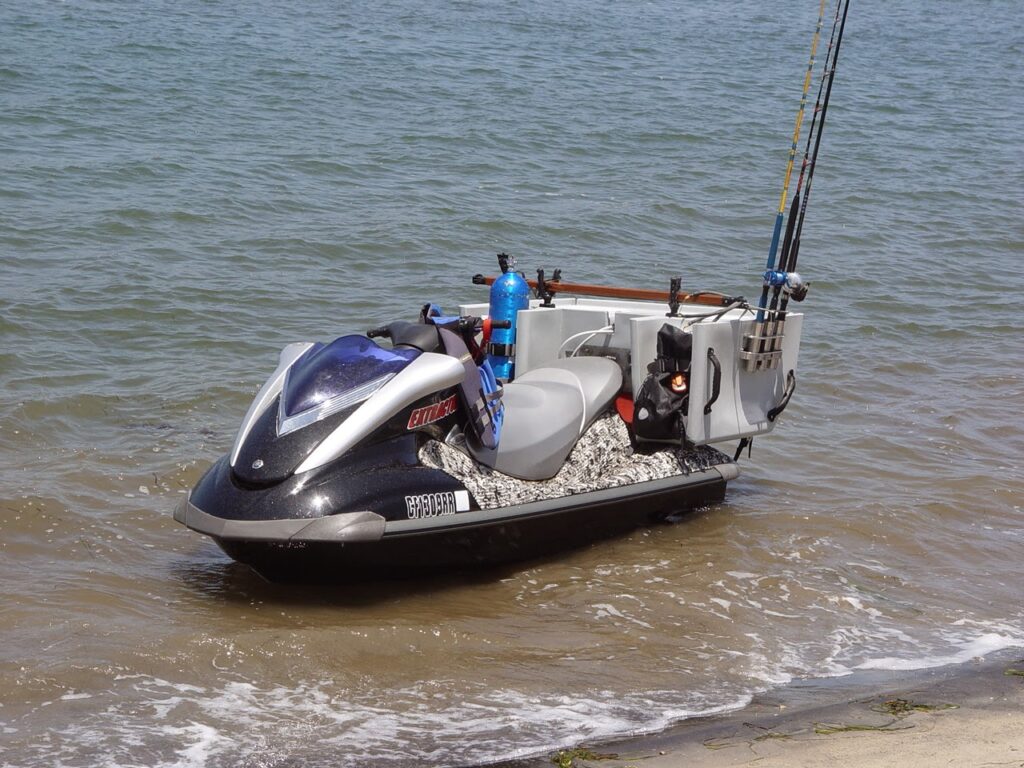
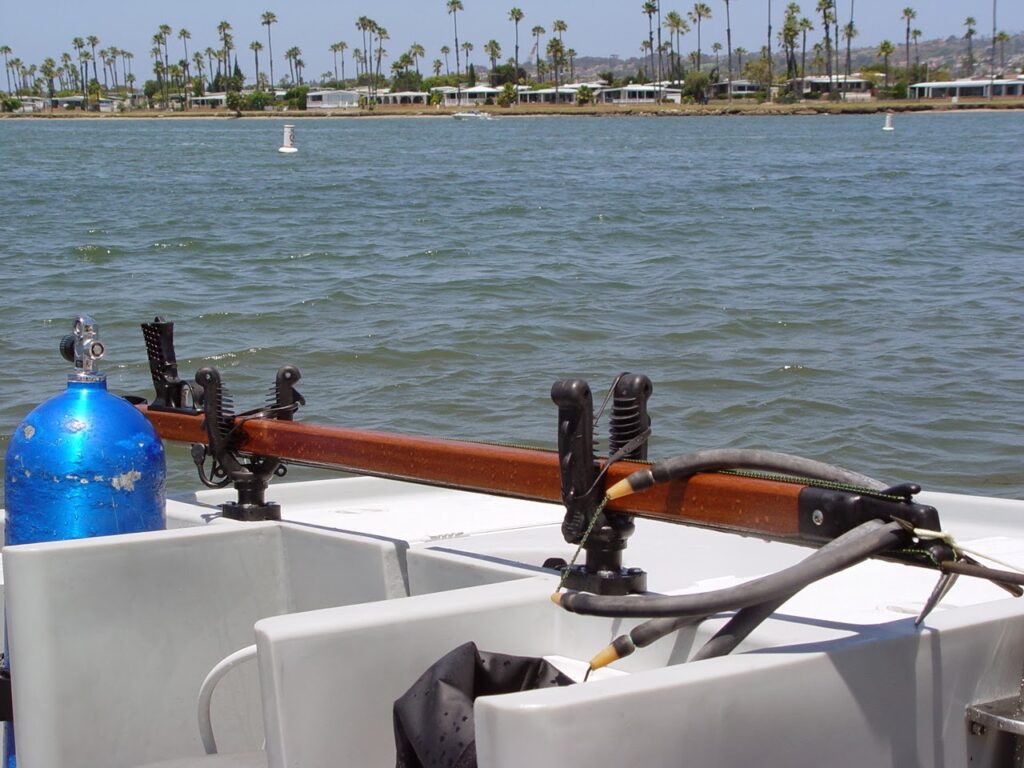
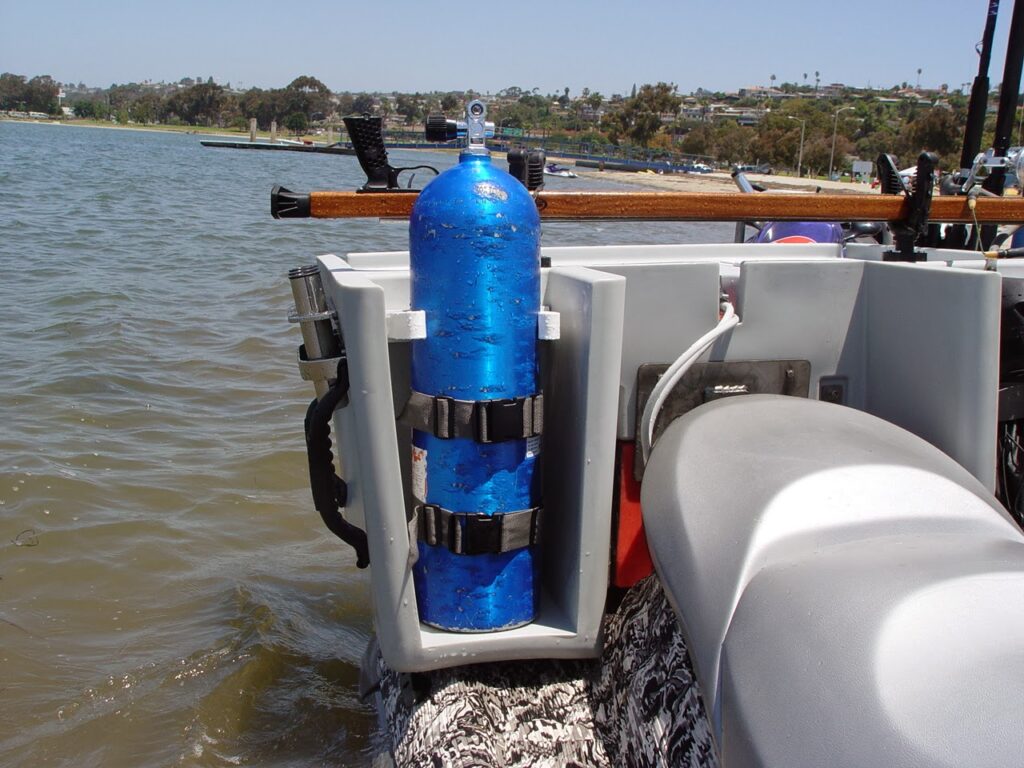
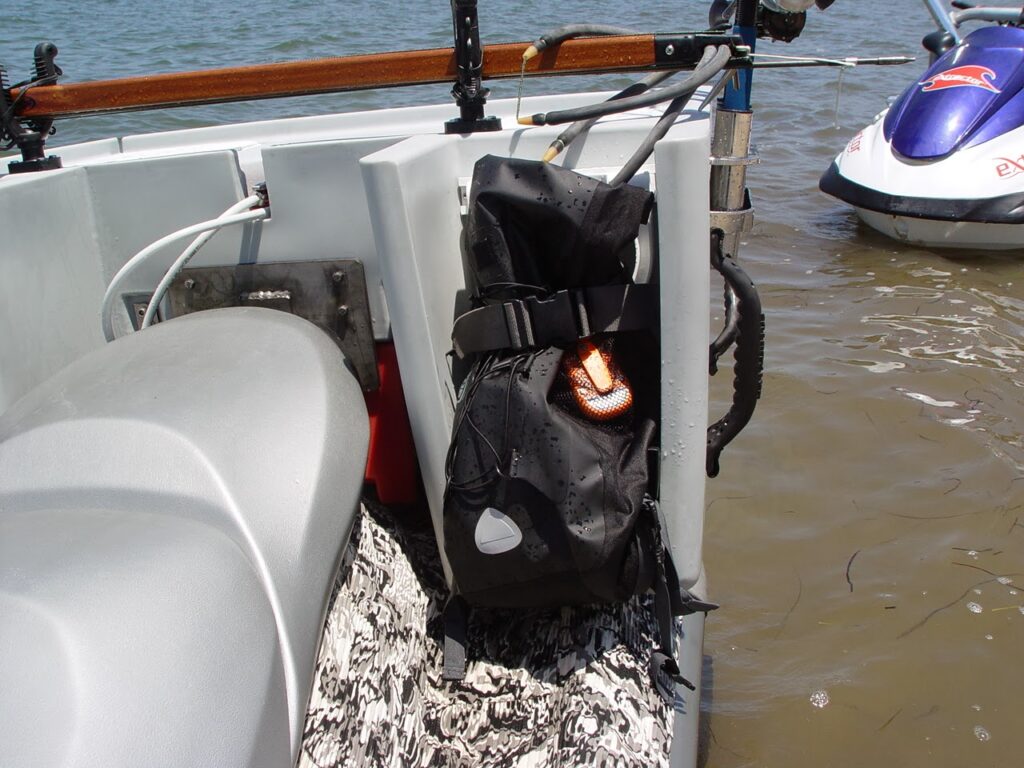
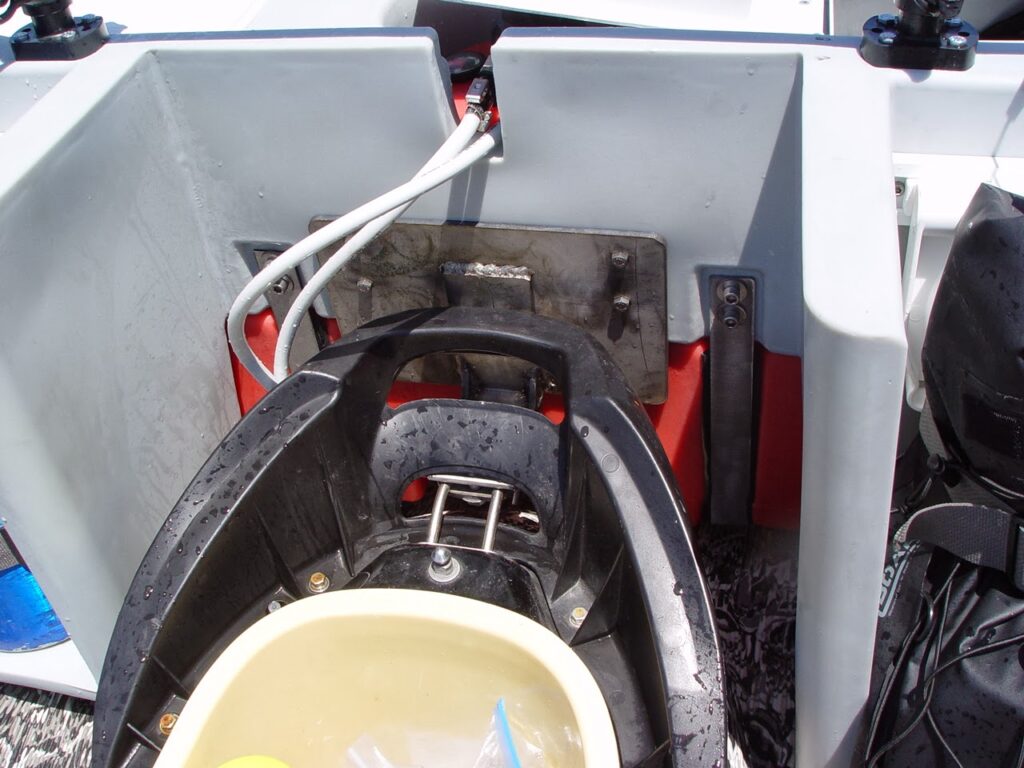
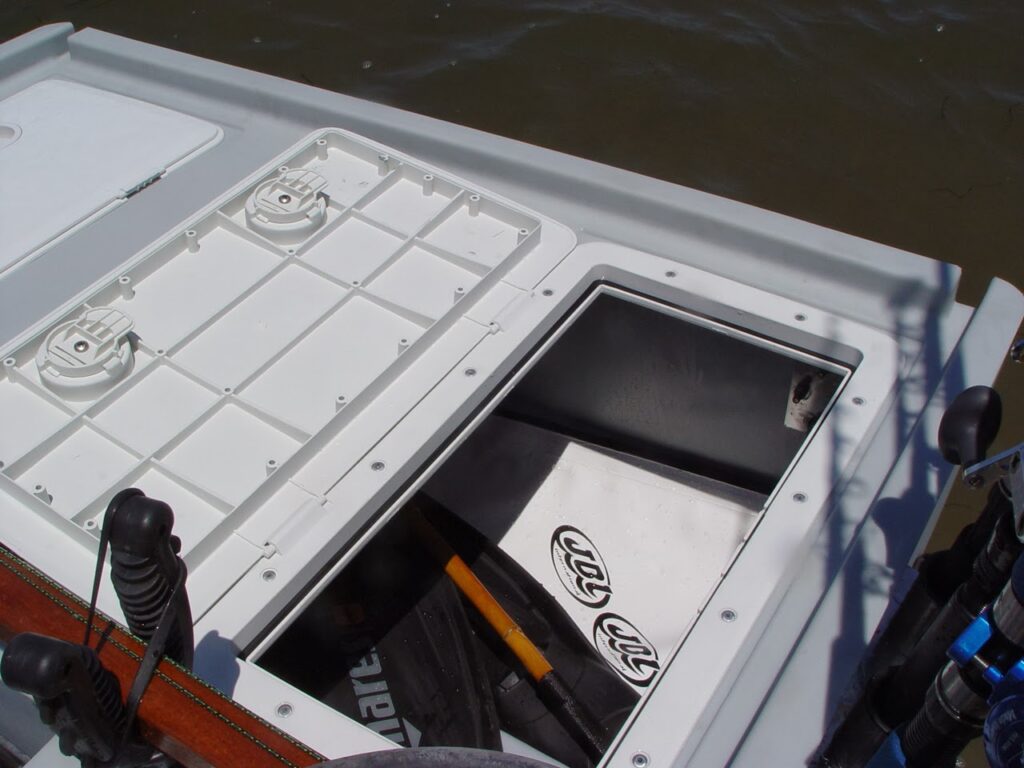
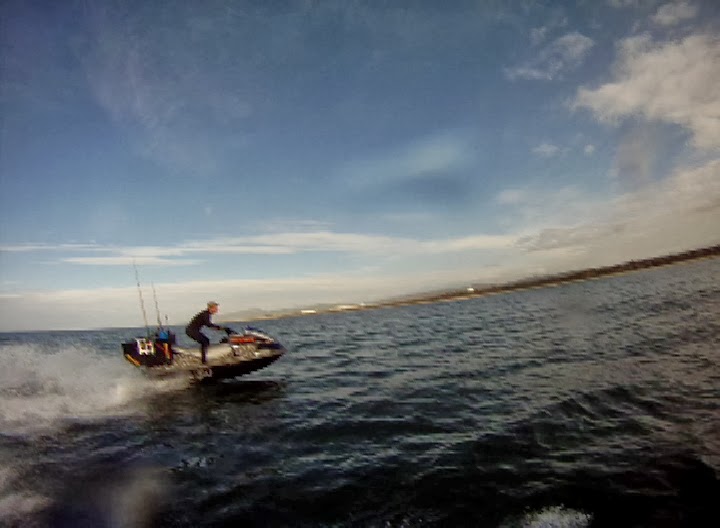

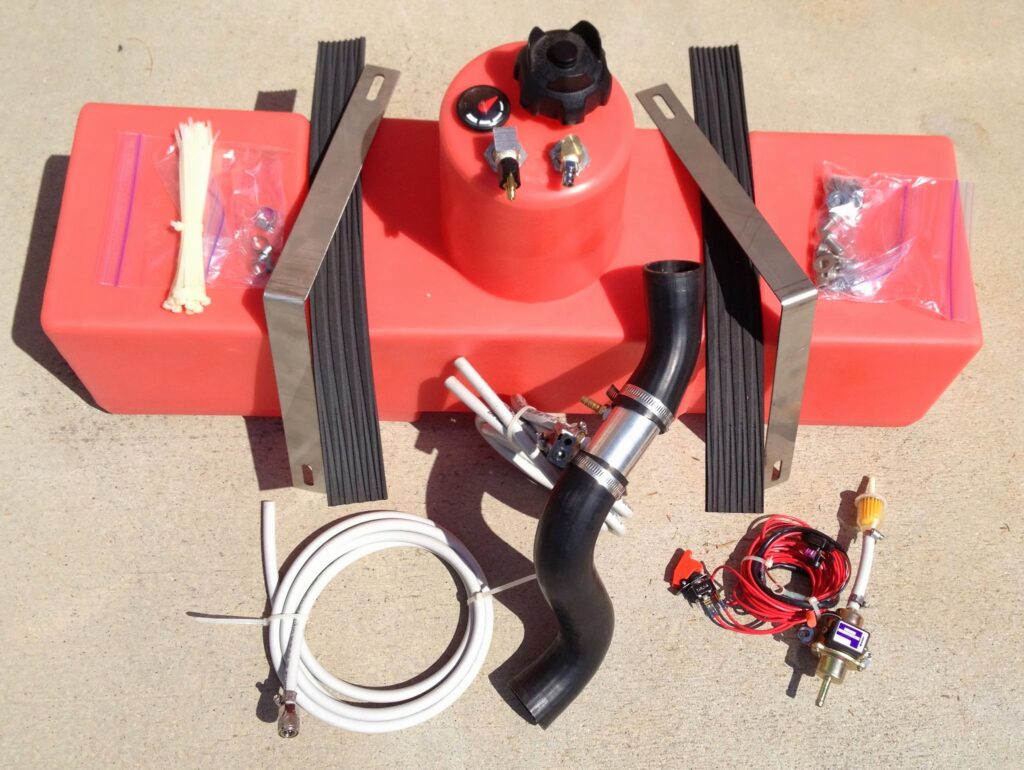
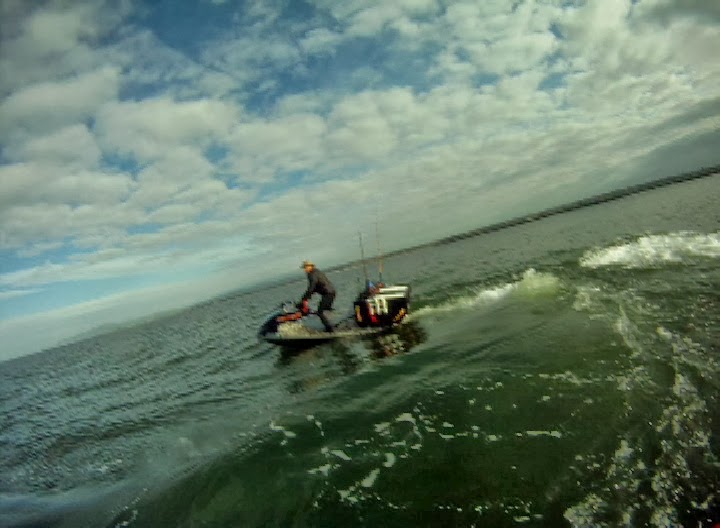
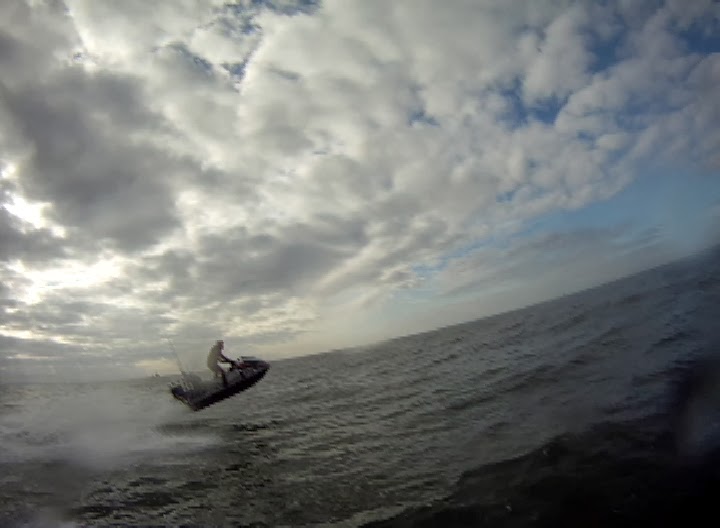
Extractor was way ahead of its time. We knew the PWC had more utility, not just joy riding, racing and rescue situations. We were just a decade ahead before the rest of the world was ready and a market became in-demand. This project was scrapped due to not enough sales and pwc manufacturers catching on and purposely designing their skis for the fishing enthusiast. Years later. others in Australia, where PWC Fishing became popular, modified coolers and figured out how to mount them to pwcs along with fishing rod holders. Great idea, just not enough market for the product. Our focus remains with our legacy sleds and the utility sled.